Era III
In 2000, Tom Wathen saved Flabob Airport from redevelopment and transformed it into a center for aviation education, preservation, and hands-on learning through the Tom Wathen Center. Today, Flabob continues to inspire future pilots, mechanics, engineers, and aviation enthusiasts through youth programs, schools, restoration projects, and a thriving community built around the spirit of flight.
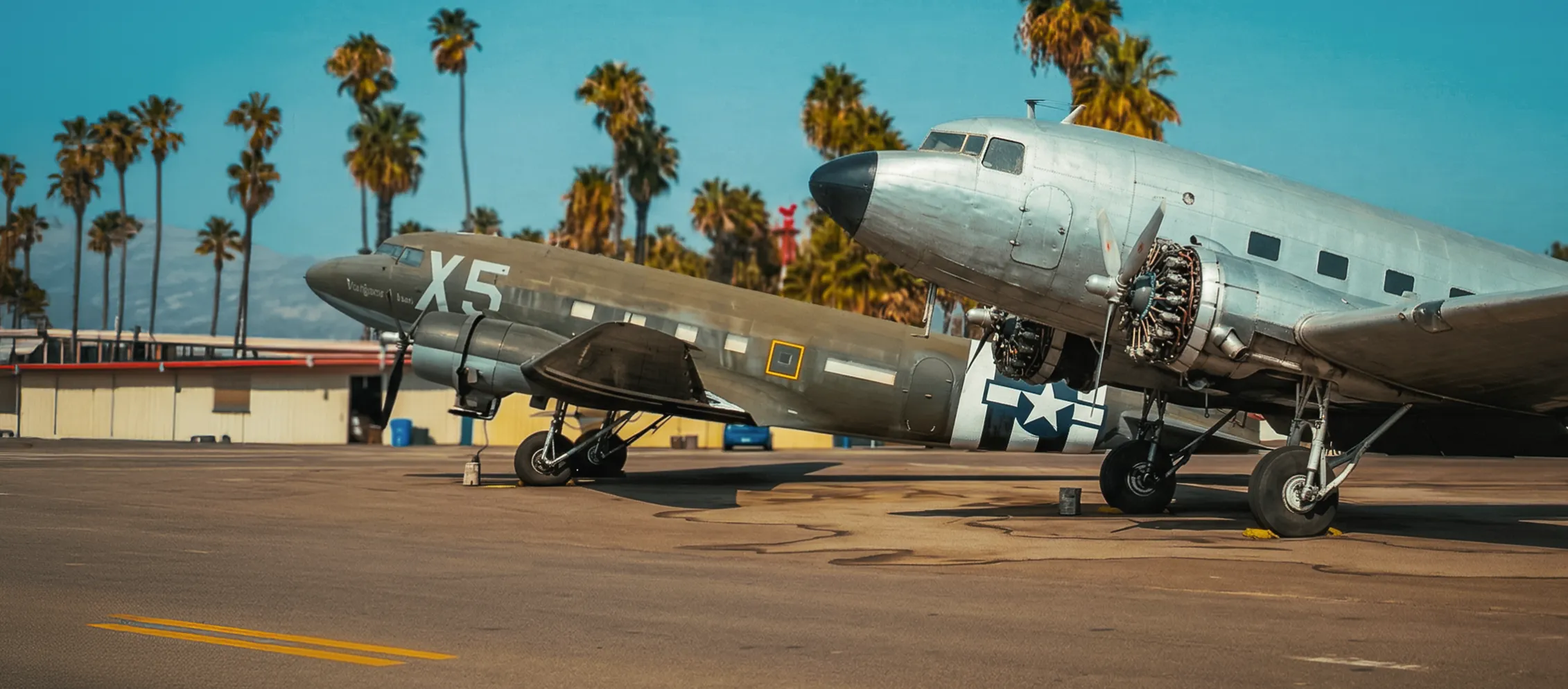
1999-2002
Add Heading Here
- In 1999, Tom Wathen retired and committed his foundation to aviation education and preservation.
- On May 31, 2000, the Wathen Foundation purchased Flabob Airport—preserving it as a General Aviation Airport.
- The Wathen Foundation later became The Tom Wathen Center was which owns and operates Flabob Airport.
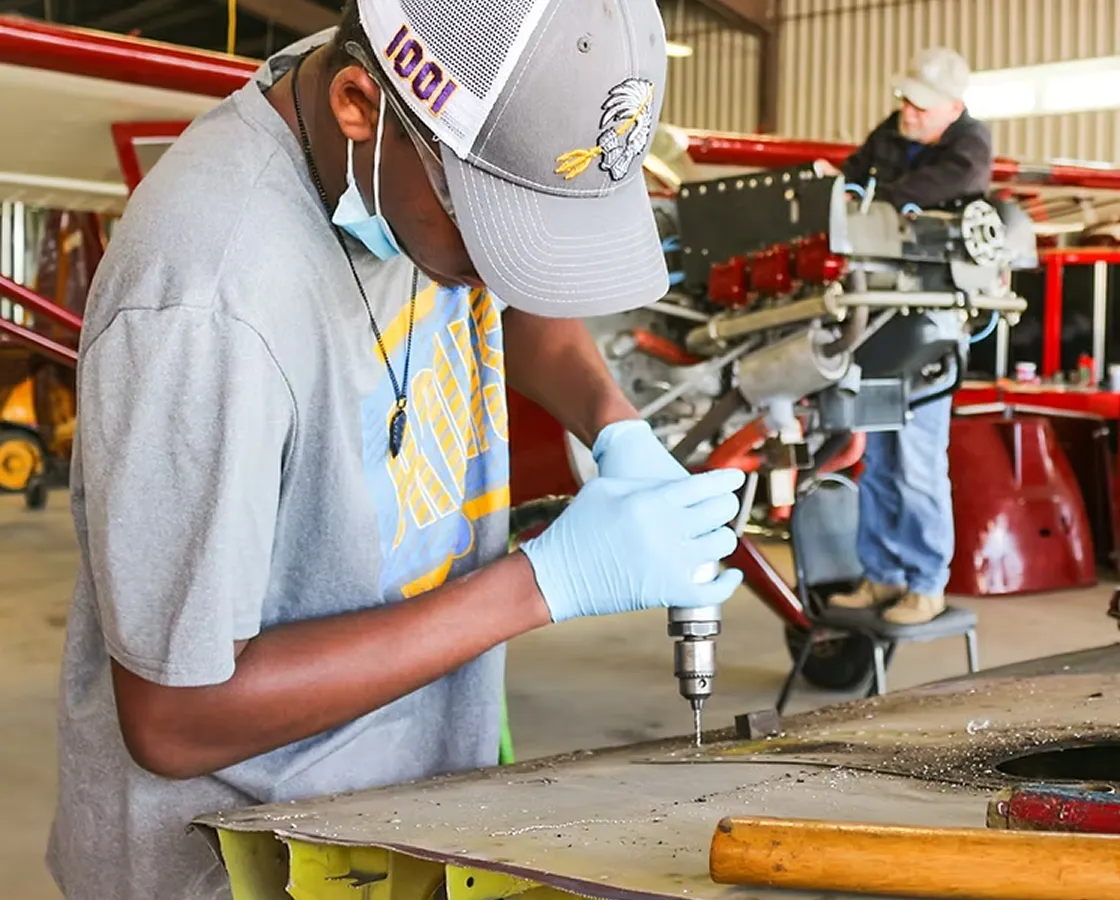
- In 2002, youth from a local gang learned aircraft restoration under the tutelage of Poly fiber experts. This program later became the Youth Opportunity Training Program administered by the Youth Opportunity Center in Rubidoux. Today, graduates of the program facilitate the training. The curriculum has expanded to include aircraft and automotive restoration skills training.
Flabob Evolves into a Center for Aviation-Based Education
- Youth Air Academy programs.
- Rocketry becomes a focus of outreach and education for high school and college age students.
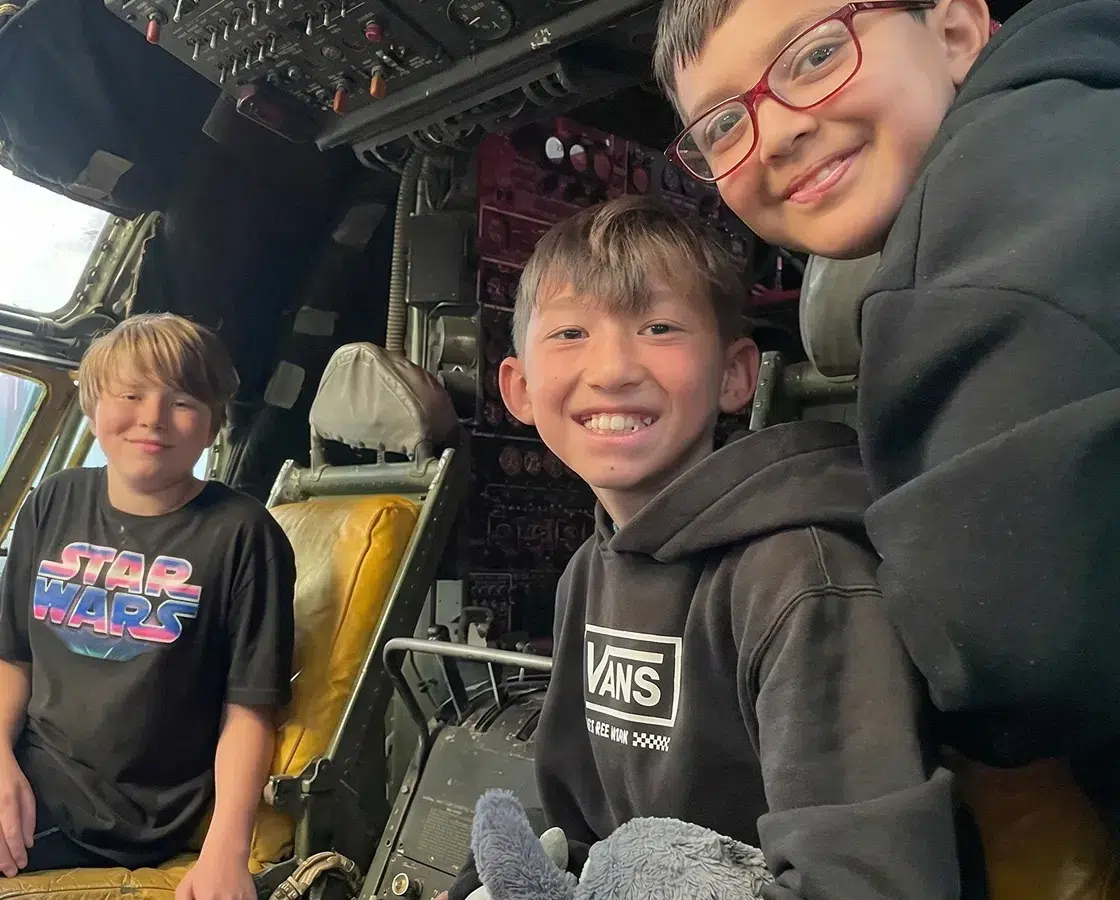
- Field trips and tours for local students
Hands-on aircraft restoration and skills training through Red Barn Aviation. - Introductory flights through the EAA Young Eagles program.
- Civil Air Patrol Squadron.
- Flabob Airport Preparatory Academy operated by Springs Charter School is established at Flabob in 2010.
- Spartan College of Aeronautics and Technology establishes Riverside campus at Flabob in 2015.
- Students have gone on to become pilots, engineers, mechanics and returned to mentor others.
Upgrading Airport Operations
- Major improvements were made to modernize the airport:
- Runway widened and resurfaced.
- Taxiways extended and paved.
- Aircraft parking and facilities upgraded.
- Café renovated.
- Hangars reskinned.
- Additional hangars were added, including:
- Eight newly built hangars.
- 57 hangars were relocated from Rialto Airport.
- Small museums were created to commemorate milestones in aviation history.
A Hub for Aviation and Industry
- Flabob is home to a number of businesses dedicated to aviation including:
- Engine refurbishment.
- Avionics.
- Aircraft restoration and repair
Fabric covering.
Present
A Community That Continues to Grow
- Today Flabob Is:
- A center for aviation education and skills training.
- A destination for aviation enthusiasts from all over the world.
- A hub for community events and programs.
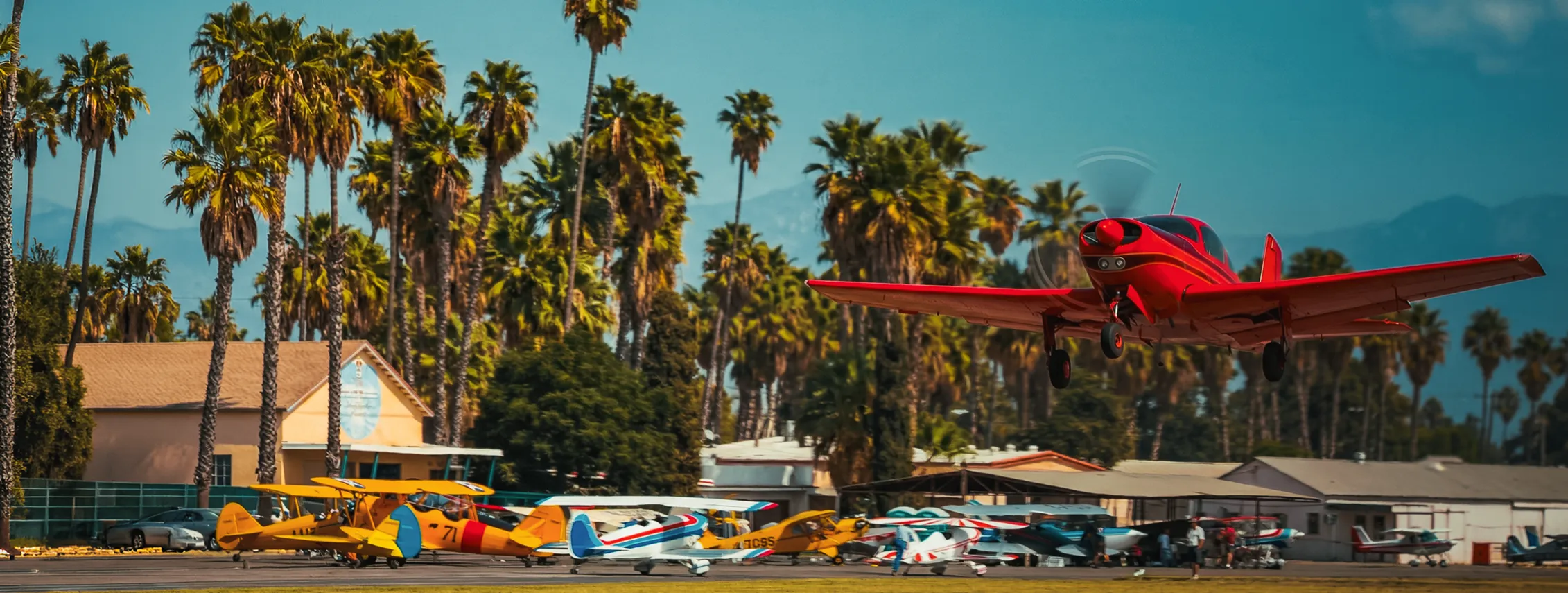
- A friendly neighbor where families can enjoy a playground, see planes up close and watch them take off and land.
Explore Our History in Eras
How a small dirt airfield became one of Southern California’s most unique aviation communities.
Era I: 1917-1937
After the closure of March Field in 1923, Riverside’s aviation spirit lived on through a rough new civilian airfield west of the Santa Ana River. Led by barnstormer Roman Warren, the airport quickly became a center for daring flights, flight instruction, and the growing excitement surrounding early aviation.
Era II: 1938-1999
After a devastating flood destroyed the original Riverside Airport in 1938, pilots relocated downstream to what would become Flabob Airport, where Flavio Madariaga and Bob Bogen built a thriving aviation community by hand. Over the following decades, Flabob became a nationally recognized center for homebuilt aircraft, aerobatics, and aviation innovation, attracting legendary builders, pilots, and pioneers.
Flabob's Full History
Nulla porttitor accumsan tincidunt. Lorem ipsum nisl eget dolor sit amet, consect tur adipiscing elitnisl eget.